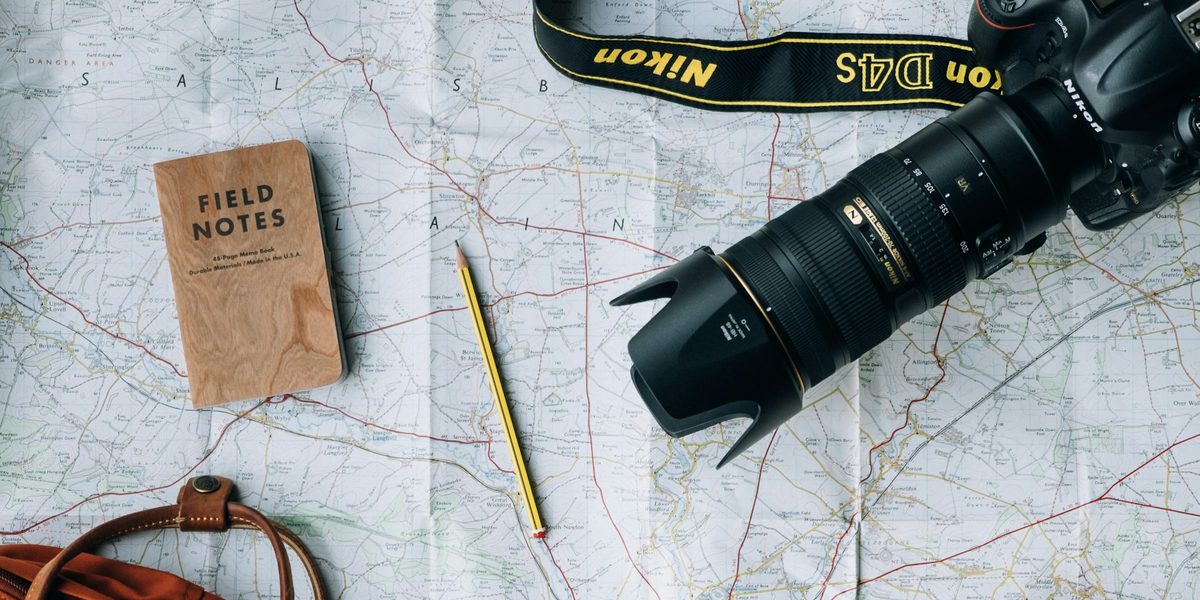
What to Pack for Cook Islands
Complete packing checklist tailored to Cook Islands's climate and culture
Climate Overview for Cook Islands
The Cook Islands enjoy a temperate climate. Warmth stays consistent, cooled by ocean breezes. You will see sun glinting off lagoon surfaces. Palm fronds rustle overhead. The air feels humid. It carries salt and frangipani. Rain arrives fast. It leaves earth smelling damp and fertile. Showers pass quickly. Pack light, quick-drying clothes. Bring reliable sun protection daily. A compact umbrella or light rain shell helps. Explore interior tracks where air feels cooler under canopy.
Clothing & Footwear

You will walk sandy paths, coral-based roads, and muddy trails. The Cook Islands demand supportive shoes. Rarotonga's cross-island track needs them. The lagoon's edge needs them too.

Humidity here slows evaporation. Sweat lingers. Quick-dry fabrics solve this. Swim in the lagoon. Hike the interior. Stay comfortable.
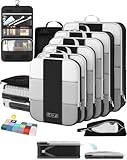
Storage runs tight in Cook Islands accommodation. Packing cubes stretch your suitcase. They separate sandy clothes from clean ones.

Electronics & Gadgets

Type I outlets power the Cook Islands. Australia and New Zealand use the same. A universal adapter keeps devices charging. No issues at your accommodation.


Salt air degrades cables. Sand degrades them too. Protective sprays help. Braided cables survive beach rigors better.
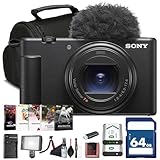
Capture the blues. The lagoon demands it. Capture the jungle greens too. Compact cameras beat larger DSLRs here. Easier to shield from sand. Easier to shield from spray.
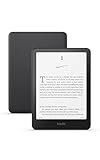
Paperbacks weigh too much. Humidity ruins them. Sand ruins them too. A waterproof Kindle solves this. Read under palms. Read by the water's edge.
Toiletries & Health

Clear bags speed airport security. Flights to the Cook Islands move faster. Essentials stay organized. Island bathrooms run compact. This helps there too.

Coral cuts happen. Sunburn happens. Insect bites happen. A basic kit beats hunting pharmacies. Outer islands have few. Pack antiseptic. Pack bandages.
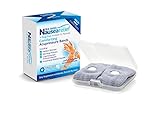
Small-boat transfers between islands need this. Lagoon cruises need this too. The Pacific swell moves you. Essential.

Solid bars cut liquid weight. Flights to the Cook Islands allow this. No leaks in your bag. Bars outlast bottles. Simple.

Humidity clumps pills. A sealed organizer protects medication. Check your supply. Ensure adequacy for your full stay.
Documents & Security

Humidity threatens documents here. Passports stay dry. Boarding passes for inter-island flights stay dry. Important papers stay organized.

Remote Cook Islands areas limit card facilities. Carry more New Zealand dollars. This helps there. Useful.

Long transit to the Cook Islands demands security. Lock bags. Lock accommodation cupboards too. Dual purpose.
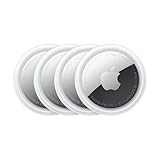
Multi-leg journeys stress luggage. International carriers hand off to domestic ones. Peace of mind matters. This provides it.
Comfort & Convenience
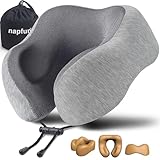
Long flights drain you. Auckland connections drain you. Los Angeles connections drain you. Comfort is non-negotiable. This delivers it.

Sleep on the plane. Block early morning sun too. Cook Islands light penetrates thin curtains. Bright. Too bright.

Chilly flights need this. Cooler Cook Islands evenings need this too. Winter months. June through August.
Tap water runs safe at accommodation. A collapsible bottle handles day trips. Less plastic waste. Less money spent.
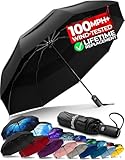
Tropical showers strike fast. They pass fast too. Wind-resistant umbrellas outlast disposable ponchos. More reliable.

Punanga Nui market purchases need carrying. Beach belongings need carrying too. Good for both.
Outdoor & Hiking Gear
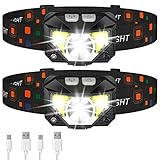
Street lighting fades outside main villages. Early walks need this. Evening walks need this too. Minimal light otherwise.

Multi-hour hikes demand water. The Rarotonga cross-island track demands it. Stream refills become safe. Carry less weight. Hike easier.
Beach & Water Gear
Coral reefs here are fragile. Protection is priority. Mineral-based, reef-safe sunscreen lets you swim responsibly. Snorkel responsibly too.
Tour operators provide gear. Your own mask fits better. Your own snorkel fits better. More hygienic too. Lagoon exploration improves.
Accommodation towels often stay off-limits for beaches. A compact, sand-shaking towel solves this. Lagoon days require it.
Sharp coral cuts feet. Hot sand burns feet. Rough boat ladders scrape feet. Protection is essential. Explore lagoons and motus safely.
Seasonal Packing Adjustments
What to add or skip depending on when you visit
Wet Season
November, December, January, February, March
Add: Lightweight rain jacket, Extra quick-dry clothing, Waterproof bag for electronics
Shop Wet Season essentials →Humidity climbs higher now. Heavy showers hit more often. Pack overnight-drying clothing. Mosquito repellent matters more. Essential.
Dry Season
April, May, June, July, August, September, October
Add: A light sweater or pashmina for evenings
Shop Dry Season essentials →Evenings cool down. June through August. Peak season runs now. Less rain. More consistent sunshine. Best time to visit.
Luggage Recommendation
A medium-sized checked suitcase combined with a carry-on backpack suits the Cook Islands well. You need space for gear. Large, hardcase rollers snag on sandy paths and strain in small inter-island aircraft. Ensure your main bag has sturdy wheels for unpaved surfaces. A soft-sided duffel or backpack-style travel bag beats rigid spinners for the outer islands.
Shop Carry-On Luggage on AmazonPro Packing Tips
Practical advice from experienced travelers
Don't Pack
- Skip heavy towels. Too bulky. Too slow to dry in humid air. Accommodations provide them anyway. Bring quick-dry travel towels for beaches. Smarter choice.
- Expensive jewelry. Leave it home. The Cook Islands are relaxed, and flashy pieces attract the wrong attention. Simple, waterproof watches work better here.
- A large hairdryer. Skip it. Voltage differences and humidity ruin any styling attempt. Most Cook Islands hotels and rental villas supply adequate hairdryers anyway.
- Multiple formal outfits. Unnecessary. The dress code in the Cook Islands stays casual and relaxed. One smart-casual outfit covers nice dinners.
- A full set of beach toys for children. Buy there instead. Simple inflatables and buckets sell cheaply at stores like CITC in Avarua, Rarotonga.
- Large bottles of shampoo and conditioner. They leak. They weigh down your bag. Buy them upon arrival at the supermarkets in Avarua if solid bars do not suit you.
Buy Locally
- Local SIM card or eSIM. Get one. Purchase an SIM from Bluesky or Vodafone at the Rarotonga airport arrival hall or their stores in Avarua for better local data rates.
- Moisturizer and after-sun lotion. Pack both. The sun and salt dry skin fast. Local brands like Tropicai, made with coconut oil, work well. Find them at Punanga Nui market.
- Saroongs (Pareu). Bring one. These versatile wraps work at the beach, as cover-ups, or light blankets. The best selection waits at Punanga Nui market on Saturday morning.
- Insect repellent. Bring a small bottle. Buy larger, locally appropriate sprays at supermarkets like CITC if you run low.
- Fresh fruit and snacks. Do not pack these. Eat local pineapples, pawpaw, and rukau (taro leaves) from roadside stalls and the Saturday market instead.
Packing Hacks
- Roll clothes instead of folding to save space
- Pack shoes in shower caps to protect clothes
- Use packing cubes to stay organized
- Keep essentials in your carry-on
Continue Planning Your Trip
More guides to help you prepare
Ready to plan your trip to Cook Islands?
Now that you've got the research covered, here's where to go next.