Things to Do in Cook Islands
Fifteen islands, one lagoon that ruins every other beach forever
Top Things to Do in Cook Islands
Find activities and tours you'll actually want to do. Book through our partners -- no booking fees.


Plan Your Trip
Essential guides for timing and budgeting
Climate Guide
Best times to visit based on weather and events
View guide →Day Trips
The best excursions and nearby destinations worth the journey
Explore day trips →Where to Stay
Best neighbourhoods, hotel picks, and booking tips
Find hotels →Travel Insurance
What's required, what coverage matters, and how to get a quote
Read guide →What to Pack
Climate-specific gear, essentials, and what to leave at home
See packing list →When Should You Visit Cook Islands?
Tap a month for weather, crowds, and highlights
View full year-round climate guide →Your Guide to Cook Islands
About Cook Islands
The Cook Islands announce themselves through sound before anything else. The plane banks low over Rarotonga and the engines cut, and what replaces them is the reef break, a constant white-noise thunder that rings the entire island like a pulse. Step onto the tarmac at Rarotonga International and the frangipani hits next, thick and sweet and layered under salt air that hasn't passed over a landmass in three thousand kilometres of open Pacific.
This is not a resort destination dressed up as a country. It is a country, fifteen volcanic peaks and coral atolls scattered across two million square kilometres of ocean, home to fewer people than a mid-sized neighbourhood in Auckland, governed by a parliament that meets in Avarua in a building you could mistake for a school gymnasium.
Rarotonga runs on a single road that circles the island in thirty-two kilometres. There are no traffic lights. The bus runs clockwise in the morning and counterclockwise in the afternoon, and if you miss it, someone will probably pull over. The Saturday market at Punanga Nui fills with taro and pawpaw and coconut brooms by six in the morning, and the ika mata, raw tuna cured in lime juice and drowned in fresh coconut cream, tastes nothing like ceviche despite every travel writer reaching for the comparison.
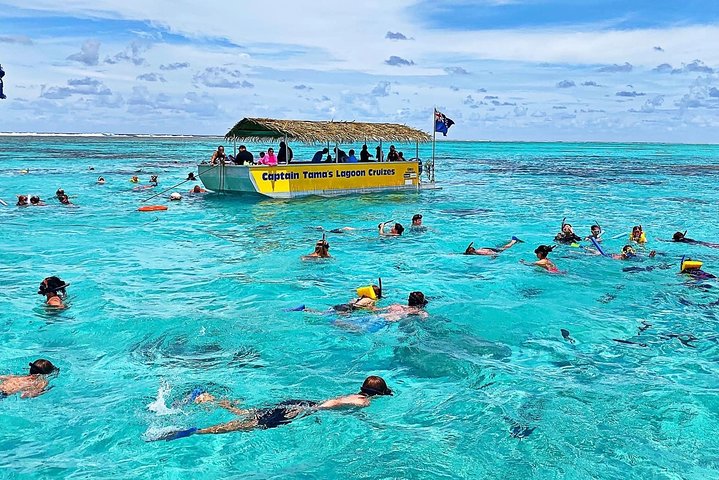
Fly forty minutes north to Aitutaki and the lagoon there will recalibrate your understanding of what water can look like, a gradient from pale jade to ink-blue that shifts with the cloud cover and makes you feel faintly embarrassed for every beach holiday you took before this one. The honest trade-off is isolation. Flights arrive from Auckland and Sydney only, provisions run on cargo-ship schedules, and when the weekly freighter is late, the supermarket shelves in Avarua thin out noticeably.
Restaurants close early, Sunday shuts the island down entirely, and if you need constant stimulation, you will climb the walls by day three. But if you can match the pace, the Cook Islands offer something increasingly rare: a place where the quiet is the attraction.
Travel Tips
Transportation: Rarotonga's single coastal road means getting lost is impossible. The island bus circles clockwise and counterclockwise on alternating schedules, and a day pass covers unlimited rides. Most travelers rent a scooter, which gets you around the full island in under an hour with stops. No international licence needed, just your home licence and a local permit from the police station in Avarua, which takes about ten minutes. The one pitfall: there are no streetlights outside the main villages, and the road has wandering dogs and roosters after dark. Aitutaki and the outer islands require short domestic flights booked well ahead, as seats are limited and fill fast during dry season.
Money: The Cook Islands use the New Zealand Dollar, and while resorts and larger restaurants take cards, the Saturday market at Punanga Nui, roadside fruit stalls, and most lagoon tour operators are cash-only. There are only a handful of ATMs on Rarotonga and exactly one on Aitutaki, which occasionally runs dry over weekends. Withdraw what you need early in the week. Tipping is not customary and can make locals uncomfortable, a cultural norm inherited from the broader Pacific ethos of communal generosity rather than transactional service. Budget travellers will find the Cook Islands surprisingly expensive for the region since nearly everything beyond fish and tropical fruit arrives by cargo ship.
Cultural Respect: Sunday in the Cook Islands is not a suggestion. Shops close, beaches empty, and the entire population turns out for church in white hats and floral dresses. Visitors are welcome at services, where the hymns in Cook Islands Maori, sung in four-part harmony without instruments, will likely be the most extraordinary music you hear on the trip. Outside of Sunday, remove shoes before entering anyone's home, ask permission before photographing marae, the sacred stone platforms found across the islands, and avoid walking across land clearly marked with family names. Land ownership here is communal and ancestral, and boundaries carry weight that a tourist map will not show you.
Food Safety: The Cook Islands present almost zero food-safety risk for travellers. Water is safe to drink from the tap on Rarotonga, fish comes straight from the reef that morning, and the ika mata at Punanga Nui Market, served in halved coconut shells, is as fresh as raw fish gets anywhere on earth. The flavour to chase is the coconut cream, pressed that morning from grated flesh rather than tinned, which tastes sweeter and slightly grassy compared to anything from a can. Rukau, slow-cooked taro leaves in coconut cream with a texture like creamed spinach but earthier and richer, appears at every island feast. Dining options thin out dramatically after eight in the evening, so eat early or stock your kitchen from the market.
When to Visit
The Cook Islands sit in the tropical South Pacific, which means warm year-round but with a distinct wet season that changes the calculus considerably. The dry season runs from April through November, with temperatures hovering between 22 and 27 degrees Celsius (72 to 81 Fahrenheit), trade winds keeping the humidity tolerable, and rain falling in brief afternoon bursts rather than the day-long grey soakings of the wet months.
This is your window. July through September is peak season, when New Zealanders and Australians escape their own winters, and accommodation on both Rarotonga and Aitutaki books out weeks in advance. Prices for lagoon-front stays climb noticeably above shoulder-season rates, and the popular Aitutaki day-trip flights sell out entirely during school holidays.
April to June and October to November sit in the sweet spot: drier weather, thinner crowds, and rates that drop significantly from peak. The lagoon water is still warm enough to spend hours in without a rashguard, and the reefs are at their clearest visibility. The wet season from December through March brings cyclone risk, higher humidity pushing above 30 degrees Celsius (86 Fahrenheit), and afternoon downpours that can last hours.
Accommodation prices fall substantially. But several outer-island guesthouses close entirely, and flight schedules become unreliable when storms cross the region. That said, January and February deliver the ripest fruit at the markets, the reef fish are fattest, and the island operates at its most authentically local with tourist infrastructure scaled back.
Te Maeva Nui, the constitution celebration in late July and early August, is worth building a trip around. A week of dance competitions, drumming that shakes your chest from across the field, canoe races in Muri lagoon, and flower-crown ceremonies that feel communal rather than performed. The islands fill up for it, so book months ahead.
For first-timers, May or June likely hits the best balance: settled weather, reasonable rates, warm water, and enough other travellers that the restaurants keep full hours without the peak-season scramble for tables.
More Ways to Experience Cook Islands
Tours, day trips, and local experiences curated by on-the-ground operators.
Didn't see anything interesting yet?
Browse Viator's full catalog of tours, day trips, food experiences, and private guides in Cook Islands.
See All Cook Islands Tours on Viator