Things to Do in Cook Islands in February
February weather, activities, events & insider tips
Shoulder Season · Good Value
February Weather in Cook Islands
Temperature, rainfall and humidity at a glance
84°F (29°C)
High Temp
74°F (23°C)
Low Temp
9.0 inches (229 mm)
Rainfall
70%
Humidity
⚠ Cyclone season is active. While a direct hit is rare, the period can see increased tropical depression activity, leading to periods of heavy rain, strong winds, and rough seas that disrupt marine activities and inter-island travel. Stay alert.
Is February Right for You?
Weigh the advantages and considerations before booking
Advantages
- + February is the Cook Islands' fruit season at full throttle. Roadside stands in Titikaveka sag under pawpaw, sun-warmed and dripping juice. Sweet mountain apples and mangoes, nothing like supermarket clones, stack high. Grab them warm. Eat them messy. Repeat.
- + The lagoon sits at 28°C (82°F). Visibility hits 30 meters (98 feet) on calm days. Snorkelers drift above coral gardens like weightless astronauts. Pack a mask. Bring a grin. February delivers.
- + Humpbacks still cruise past Aitutaki. February catches the tail of whale season. Binoculars help. Hope helps more. Spotting one is pure luck. Worth the wait.
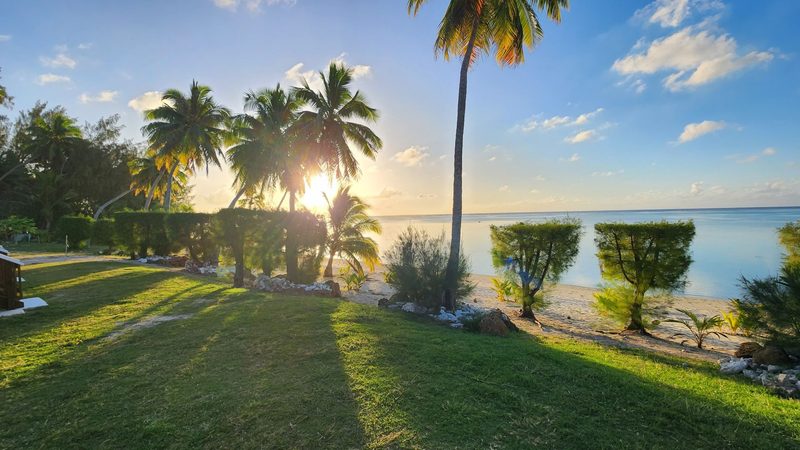
- + Sunsets explode. Violet, magenta, gold. The sky riots over the Pacific. Low tide mirrors every hue. Humidity paints the drama thicker. Bring a camera. Stay silent.
Considerations
- − Wettest month: 229 mm (9 inches). Rain punches down, not drizzles. Dirt roads turn to chocolate milk in minutes. Boat trips cancel. Plans shift. Carry a poncho.
- − 70% humidity rules. The air feels like a hot towel on bare skin. Step off the plane, feel it cling. Dive into the lagoon for relief. Surface, it sticks again.
- − Cyclone season runs till April. A direct hit on Rarotonga is rare in February. Still, distant systems stir the sea. Lagoon cruises scrub. Flights bounce. Flexibility wins.
Best Activities in February
Top things to do during your visit
Aitutaki Lagoon Cruises & One Foot Island Visits
Aitutaki's Blue Lagoon glows in February. Warm, calm water lights up giant clams and turquoise parrotfish. Morning departures beat the squalls. One Foot Island sandbar feels like powdered sugar underfoot. The clarity is disorienting. Go early. Stay amazed.
Booking Tip: Book lagoon cruises one week ahead. Demand spikes. Check weather cancellation clauses. Umu lunches sell out fast. See booking section for current Aitutaki options. Lock it in.
Rarotonga Cross-Island Trek to the Needle
4 km (2.5 miles) of jungle sweat. Humidity turns the trail into a steam room. Broadleaf ferns drip. Te Rua Manga waterfall roars. The summit view floats above emerald cloud forest. Worth every slippery step.
Booking Tip: Guides mandatory. February mud is treacherous. Roots turn to ice. Guides read the sky. They bring transport and trail intel. Book a few days ahead. Widget below lists options.
Lagoon Snorkeling & Giant Trevally Feeding at Fruits of Rarotonga
Locals call it 'Fruits of Rarotonga'. A calm pocket inside Muri lagoon. Hand-feed giant trevally. Feel the tail slap. Vacuum suction yanks the bait. Coral sits healthy near shore. Cloudy afternoon? Still perfect.
Booking Tip: No tour required. Public access. Rent gear on Muri Beach. Late morning equals best light and calm water. Fish expect snacks. They never disappoint. Jump in.
Saturday Morning Punanga Nui Market in Avarua
Punanga Nui Market pulses every Saturday. February stalls groan with fried breadfruit, taro leaves, fresh poke. The national dessert blends coconut cream with banana or pumpkin. Scents mingle: sizzling oil, tiare crowns, harbor salt. Arrive hungry. Leave happy.
Booking Tip: No tickets. Arrive by 8 AM. Heat and crowds build fast. Small cash only. Pick up monoi oil, fragrant and pure. Your skin will thank you. The scent lingers for days.
Explore More Activities in Cook Islands
Didn't see anything interesting yet?
Browse Viator's full catalog of tours, day trips, food experiences, and private guides in Cook Islands.
See All Cook Islands Tours on ViatorWhere to Stay in Cook Islands in February
Hand-picked hotels across price tiers for February travellers.
Packing Checklist
Bookmark this page — your progress is saved between visits
Need the full list with shopping links?
Climate-specific gear, brand recommendations, and what to leave at home.
View Cook Islands Packing List →Essential Tips
Insider knowledge and common pitfalls to avoid
Insider Knowledge
Check the mountains at dawn. If Raemaru or Te Kou wear cloud caps, rain comes by noon. Plan early adventures. Trust the view.
The best post-rainfall activity is the Wigmore's Waterfall pool. After a heavy downpour, the flow is dramatic and the freshwater pool at its base is refreshingly cool, a rare sensation in February. Go straight after the rain. The rush is wild.
If the sea is too rough on the north side (Avarua), drive to the south side beaches like Titikaveka. The lagoon is often calmer there when winds come from the north. Ten minutes. Instant fix.
Don't buy bottled water. The tap water in Rarotonga is safe and delicious, drawn from volcanic aquifers. Bring a reusable bottle and refill it everywhere - it tastes better and saves plastic. Simple swap.
Avoid These Mistakes
Over-scheduling. Trying to cram in three activities a day between potential rain showers leads to frustration. Plan one major thing per day, with a flexible, weather-proof backup (like the market or a museum). One is enough.
Underestimating the sun. That 84°F (29°C) feels deceptively mild with a breeze. But the UV radiation is extreme. A bad sunburn on day one can ruin your week. Respect it.
Assuming all beaches are swimmable. The south-side lagoons are generally safe. But the north and east coasts can have strong currents and rough surf in February, after a storm. Always ask a local about the spot you've picked. They know.
Ready to plan your trip to Cook Islands?
Now that you've got the research covered, here's where to go next.
Book Experiences in Cook Islands
Top-rated things to do in Cook Islands this February


