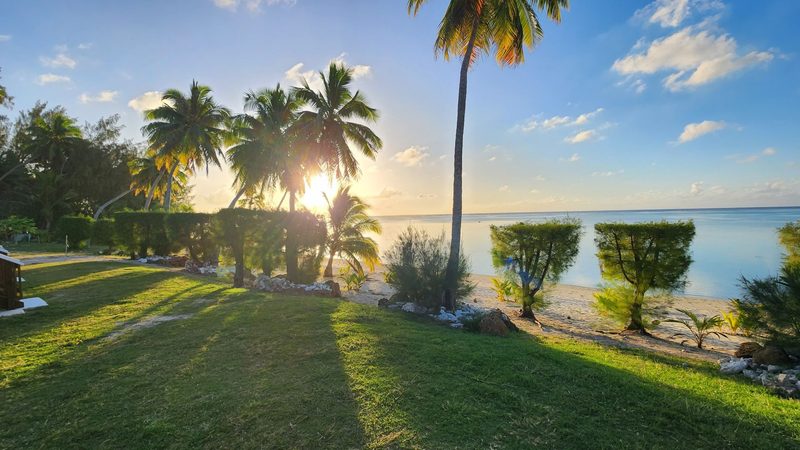

Things to Do in Cook Islands in January
January weather, activities, events & insider tips
Shoulder Season · Good Value
January Weather in Cook Islands
Temperature, rainfall and humidity at a glance
83°F (28°C)
High Temp
73°F (23°C)
Low Temp
10.1 inches (257 mm)
Rainfall
70%
Humidity
⚠ Heavy rain cuts visibility on Rarotonga's narrow coastal road. Slow down, lights on.
⚠ High UV plus reflective water fries skin in 15 minutes at midday.
Is January Right for You?
Weigh the advantages and considerations before booking
Advantages
- + The South Pacific sun in January feels like a warm blanket straight from the dryer - 83°F (28°C) highs that make the lagoon water feel like a perfect bath, with afternoon trade winds that keep the air moving through the palm fronds. It's hot. It's perfect. You won't want to move.
- + Cook Islands tourism hasn't yet hit its February-March peak, so you'll find Aitutaki's famous 'One Foot Island' lagoon tours running at half capacity, meaning you might have that well-known sandbar to yourself for photos. Book now. Thank me later.
- + January's occasional afternoon downpours - the kind that start with a single fat drop on your shoulder and build to a roar on the tin roofs in under a minute - leave the air smelling of wet earth and blooming frangipani, and wash the dust from the inland roads. The smell alone is worth the trip.
- + This is when the Cook Islands' gardens are at their most generous: you'll see baskets of starfruit and mountain apples at the Punanga Nui Market in Rarotonga, and the roadside stands along the Ara Tapu ring road overflow with produce that tastes of actual sunshine. Eat everything. Twice.
Considerations
- − That 10.1 inches (257 mm) of rain isn't a gentle mist - it arrives in tropical bursts that can cancel lagoon crossings to the motus for hours, leaving you staring at the turquoise water from under a beach fale roof, listening to the rain's percussion. Bring a book. And patience.
- − The humidity at 70% makes everything feel closer: your clothes stick to your skin by mid-morning, the pages of books go limp, and the salt from the lagoon crystallizes on your arms in a fine, gritty film that you'll be rinsing off three times a day. Embrace it. You're in great destination.
- − January sits right between the Christmas/New Year rush and the drier February peak, which means some smaller operators on the outer islands might be taking their annual break - you could arrive on Atiu to find the kopeka bird cave tours temporarily closed. Check ahead. Always check ahead.
Best Activities in January
Top things to do during your visit
Aitutaki Lagoon Snorkeling Safaris
January's warm water - hovering around 82°F (28°C) - means you can stay in the lagoon for hours without a wetsuit, floating above coral gardens where giant clams show their electric-blue mantles. The visibility after a morning rain clears can stretch 30 meters (98 feet), revealing eagle rays gliding along the sandy channels between motus. The rain showers, when they come, typically pass within an hour, leaving the lagoon glassy and empty of other boats. Pure magic.
Booking Tip: Book through licensed lagoon tour operators at least a week ahead, for the full-day 'One Foot Island' trips. Look for operators using traditional vaka canoes - they handle the occasional January chop better than rigid hulls. See current tour options in the booking section below. Trust the locals.
Rarotonga Cross-Island Trekking
The January rains turn the Te Rua Manga (The Needle) trail into a different world: waterfalls along the route run full, creating natural plunge pools that are still warm enough to swim in, and the humidity makes the moss on the ancient basalt rocks glow an impossible green. You'll hear the distinct 'kek-kek-kek' of the Rarotonga flycatcher in the damp forest canopy. Start early - by 7am - to beat both the heat and the afternoon cloud buildup over the central mountains. Worth every slippery step.
Booking Tip: Guides are strongly recommended for the slippery January conditions on the rock scramble sections. Book a guided trek 3-5 days in advance through adventure operators based in Avarua. They'll provide walking poles for the muddy descents. Check the booking widget for current guided hike options. Don't be a hero.
Traditional 'Umu' Earth Oven Feast Experiences
January happens to be when many local families prepare special umu feasts for family gatherings - the scent of smoke from burning coconut husks and the sound of banana leaves crackling over hot stones carries across valleys in the late afternoon. You'll taste taro that's been steamed for hours until it's creamy, and mahi mahi wrapped in leaves with a hint of lime from the tree in the host's yard. The warmth of the food matches the warmth of the air well. Your stomach will thank you.
Booking Tip: These are typically booked through cultural centers or as part of larger 'island night' experiences. Reserve at least several days ahead, as January dates fill with both tourists and local families celebrating. Look for experiences that include the actual uncovering of the umu - the steam release is theater you can smell. Book early.
Lagoon Paddleboarding at Dawn
The Cook Islands' lagoons are often glassy calm in January's early mornings before the trade winds pick up, creating perfect conditions for paddleboarding. You'll glide over coral heads where parrotfish make audible crunching sounds as they feed, and the water is so clear you can watch your shadow move across the white sand bottom 5 meters (16 feet) below. The low-angle January sun turns the water shades of aqua you thought only existed in postcards. Go early. Stay late.
Booking Tip: Rentals from beachfront operators typically open at 6:30am. No advance booking needed usually. But go early to get equipment before the morning rush. Ask for a board with a clear panel in the center - it's worth it for the viewing. Current rental and tour options appear in the booking section. Sunrise paddleboarding is life-changing.
Atiu's 'Kopeka' Bird Cave Explorations
January is breeding season for Atiu's endemic kopeka birds, meaning you might hear their distinctive clicking echolocation in the Anatakitaki cave system - a sound like marbles dropping in water that echoes through the limestone chambers. The caves stay a constant 75°F (24°C) year-round, offering relief from the midday heat outside. You'll feel the cool, mineral-scented air on your face as you descend into darkness with only a headlamp. Book this. Now.
Booking Tip: These tours require local guides who know the caves intimately. Book at least a week in advance through Atiu tourism associations, as guides sometimes limit January groups due to breeding bird sensitivity. The crossing from Rarotonga to Atiu by small plane should be booked even earlier. Plan ahead.
Explore More Activities in Cook Islands
Didn't see anything interesting yet?
Browse Viator's full catalog of tours, day trips, food experiences, and private guides in Cook Islands.
See All Cook Islands Tours on ViatorWhere to Stay in Cook Islands in January
Hand-picked hotels across price tiers for January travellers.
Public Holidays in January
Dates that affect opening hours, transport and crowds
New Year's Day
Observed nationwide as a public holiday.
New Year's Day
Observed nationwide as a public holiday.
New Year's Day
Observed nationwide as a public holiday.
New Year's Day
Observed nationwide as a public holiday.
Packing Checklist
Bookmark this page — your progress is saved between visits
Need the full list with shopping links?
Climate-specific gear, brand recommendations, and what to leave at home.
View Cook Islands Packing List →Essential Tips
Insider knowledge and common pitfalls to avoid
Insider Knowledge
Locals swim dawn and dusk. Skip 10am-2pm. You get the lagoon and fewer burns.
January wahoo makes the best ika mata. Find it Saturdays at Punanga Nui Market. Firmer than tuna, it hugs the lime.
Caught in Avarua rain? Duck into the free Cook Islands Library & Museum. Nineteenth-century whaling logs and a tin roof drumming like a snare await.
Tourists circle Rarotonga clockwise. Go counter-clockwise after 3pm. Sunset over Muri Lagoon and motus glow just for you.
Avoid These Mistakes
Don't book same-day inter-island flights. January humidity and rain delays mean overnight in Rarotonga first.
South Rarotonga's surf is fierce in January. Admire from shore with a cold coconut. Swim the north and east lagoons.
Check outer-island tours. Family businesses on Aitutaki and Atiu often close for January holidays. Email two days ahead.
Ready to plan your trip to Cook Islands?
Now that you've got the research covered, here's where to go next.
Book Experiences in Cook Islands
Top-rated things to do in Cook Islands this January


