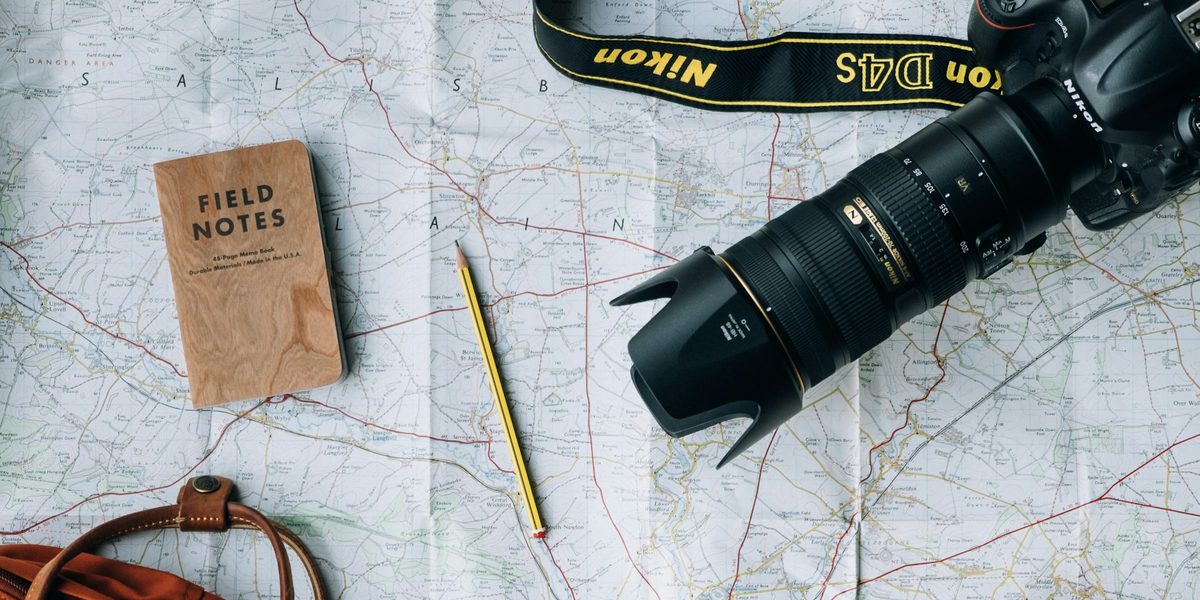
Two Weeks Across the Cook Islands: Reef, Rainforest, and Raised Coral

Two Weeks Across the Cook Islands: Reef, Rainforest, and Raised Coral

From Rarotonga's Volcanic Spine to Aitutaki's Turquoise Lagoon and Atiu's Limestone Caves

Trip Overview

This fourteen-day route threads through three distinct Cook Islands, each with its own personality. Rarotonga opens the trip with jungle treks through pandanus forest, reef snorkeling where parrotfish crunch coral an arm's length away, and Saturday markets fragrant with coconut cream and grilled mahi-mahi. A short flight delivers you to Aitutaki, where the lagoon glows in gradients of aquamarine impossible to capture on a screen and sandbars materialize at low tide for hours of barefoot wandering. The final stretch lands on Atiu, a wild island ringed by razor-sharp makatea limestone, where you will duck into caves alive with the echolocation clicks of kopeka swiftlets and sip tumunu bush beer brewed in forest clearings. The pace alternates. Active mornings of hiking, paddling, or snorkeling. Languid afternoons on sand so white it throws heat back at you. This itinerary rewards slow travel and genuine curiosity about Polynesian culture.

Pace
Moderate
Daily Budget
Mid-range daily spend, comparable to rural New Zealand. Accommodation is the largest cost, food and activities remain modest
Best Seasons
May through October offers dry, mild weather with southeast trade winds keeping humidity comfortable; July through September adds humpback whale sightings off Rarotonga's south coast
Ideal For
Couples seeking seclusion without sacrificing adventure, Snorkelers and reef enthusiasts, Nature-focused travelers who prefer small islands over resorts, Repeat Pacific visitors ready to go deeper than Fiji or Tahiti

Day-by-Day Itinerary

A complete plan for every day of your trip

1

Touchdown on Rarotonga and First Reef Glimpse

Arrive at Rarotonga International Airport, settle into your south-coast accommodation near Muri Lagoon, and ease into island time with a late-afternoon snorkel where the lagoon floor shimmers with ripple patterns cast by afternoon sun.
Morning
Arrival and transfer to Muri area accommodation
Most international flights land mid-morning. The terminal is tiny, open-air, and smells of frangipani leis the ground crew drapes on arriving passengers. Collect your bags, grab a rental scooter or arrange a transfer along the coastal ara metua road, and head southeast toward the Muri Lagoon district. The drive takes under twenty minutes and winds past papaya trees drooping with ripe fruit and roadside stalls selling drinking coconuts.
1-2 hours including transfer Scooter rental is the most affordable way around. Transfers are moderate
Reserve your scooter before arriving, as the fleet at the airport kiosk sells out on busy flight days
Lunch
The Mooring Fish Cafe on the Muri waterfront for freshly caught yellowfin tuna served raw with lime and coconut cream, eaten at a wooden table overlooking the lagoon
Pacific-fresh seafood with Polynesian flavors Mid-range
Afternoon
Introductory snorkel at Muri Lagoon
Wade out from the sandy shore where the water stays waist-deep for a long stretch before the reef shelf begins. The lagoon here is protected by a barrier reef, so currents are gentle. Giant clams wedge into coral heads, their mantles electric blue and green. Schools of convict tang swirl past in striped ribbons. The water feels bathwater-warm on your skin, and the only sound is your own breathing through the snorkel.
1-2 hours Free entry to the lagoon. Gear rental from beachside operators is low cost
Evening
First sunset dinner on the west coast
Ride your scooter to Trader Jack's in Avarua for grilled reef fish and a cold Matutu lager on the waterfront deck. The sun drops behind Rarotonga's silhouetted volcanic ridge around six, painting the sky in copper and salmon streaks. The air cools just enough to feel the trade wind on damp skin.

Where to Stay Tonight

Muri Beach, southeast Rarotonga (Beachfront self-catering unit or boutique lodge)

Muri puts you steps from the best lagoon snorkeling on the island and within scooter range of Avarua for dining and markets

See all Cook Islands accommodation options →
Rarotonga has no street addresses. Locals navigate by landmarks. Tell your host which flight you are on and they will find you at the airport, often with a flower lei that smells of gardenia and tiare.
Day 1 Budget: Light spending day: transfer, gear rental, and dinner
2

Cross-Island Trek to the Needle

Rarotonga, interior highlands
Hike the cross-island track through dripping rainforest to the base of Te Rua Manga, the volcanic spire locals call The Needle, then cool off at Papua Waterfall before an evening cultural performance.
Morning
Cross-island trek via Te Rua Manga (The Needle)
Start from the north side trailhead near the Avatiu Valley. The path climbs through tangles of hibiscus and Barringtonia trees, the air heavy with the smell of damp soil and rotting guava. Birdsong layers overhead, the whistle of the Rarotonga starling. At the saddle, the basalt finger of Te Rua Manga rises above the canopy. The final scramble to its base involves grabbing tree roots and feeling volcanic rock grit under your palms. From the viewpoint, both coasts of Rarotonga spread below you in white-rimmed blue.
3-4 hours round trip Free; a local guide adds a moderate fee and brings cultural context about each plant and stone along the route
A guide is not required but enriches the walk enormously. Book through your accommodation the evening before
Lunch
Charlie's Cafe in Avarua for a hefty plate of ika mata, the Cook Islands' signature raw fish salad, drenched in coconut cream and studded with diced cucumber and tomato
Traditional Cook Islands fare Budget
Afternoon
Papua Waterfall and cooldown swim
A short detour off the cross-island track leads to Wigmore's Waterfall, where a thin curtain of water drops into a shallow rock pool surrounded by ferns and elephant-ear taro. The water runs cool against overheated skin. Sit on the mossy boulders and listen to the cascade echo off the cliff face. Tree roots snake across the rock like exposed veins. The humidity under the canopy here is thick enough to taste.
1 hour including walk in Free
Evening
Island Night cultural show and buffet
Attend an Island Night at Highland Paradise, perched on a ridge above Arorangi. Dancers in woven pandanus skirts and flower crowns perform hip-shaking ura that makes the wooden stage vibrate beneath your feet. The fire dancers spin torches so close you feel the heat on your forearms. The buffet spreads with umu-cooked pork wrapped in banana leaf, its smoky sweetness mingling with taro pudding.

Where to Stay Tonight

Muri Beach, southeast Rarotonga (Same beachfront unit as Day 1)

Staying put avoids unnecessary packing. Two nights lets you settle into the area

See all Cook Islands accommodation options →
Wear shoes with grip for the trek, not sandals. The volcanic soil turns to slick red clay after any rain, and rain visits the interior daily even in the dry season.
Day 2 Budget: Low spend: guided trek fee is the main cost. The waterfall and lagoon are free
3

Lagoon Kayaking and the Saturday Market

Rarotonga, Muri and Avarua
Paddle a transparent kayak across Muri Lagoon to uninhabited motus, then ride into Avarua for the Punanga Nui Saturday Market, the social heart of the Cook Islands.
Morning
Kayak to Taakoka and Koromiri motus
Launch a clear-bottom kayak from the Muri shore and paddle across the lagoon's glassy surface. Below the hull, coral bommies drift past like underwater mushrooms. Blacktip reef sharks patrol the sandy channels between them, their fins slicing shadows on the white sand. Land on Taakoka Motu. The only footprints are yours. The only sounds are waves breaking on the outer reef and the crack of hermit crabs moving through leaf litter. The sand squeaks underfoot.
2-3 hours Kayak rental is affordable; self-guided
Arrive at the kayak operator by eight to beat the wind that picks up after ten
Lunch
Punanga Nui Market stalls for smoky pulled pork sandwiches, fresh coconut water hacked open with a machete, and banana pancakes fried on a griddle until the edges crisp golden
Market street food blending Polynesian and New Zealand influences Budget
Afternoon
Punanga Nui Saturday Market browsing
The market fills the Avarua waterfront with tarps and tables. Vendors sell hand-carved ukuleles from local tamanu wood, black pearl jewelry from the Manihiki atolls, and pareu cloth dyed in deep indigo and hibiscus red. The air carries competing scents of coconut oil, fried donuts, and ripe mangoes. Local musicians strum covers of island favorites from a concrete stage. Cook Islanders do their weekly socializing here. The atmosphere is unhurried and welcoming.
2-3 hours Free to browse. Small purchases for crafts and food
Evening
Sunset dinner on the west coast
Tamarind House near Black Rock for pan-seared wahoo over sweet potato mash. The restaurant sits just above the tide line. The evening breeze carries salt spray that you can taste on your lips. Watch frigatebirds glide on thermals above the reef as the sky shifts to violet.

Where to Stay Tonight

Muri Beach, southeast Rarotonga (Same beachfront unit)

Final night in Muri before relocating for the next leg

See all Cook Islands accommodation options →
The Saturday market winds down by noon. Arrive by eight for the best food selection and freshest fruit. The coconut bread sells out first.
Day 3 Budget: Moderate: kayak rental, market snacks and souvenirs, and dinner
4

Rarotonga's Wild South Coast and Whale Waters

Rarotonga, south and west coast
Explore the rugged southern coastline where waves hammer the ironshore, visit a conservation area protecting one of the world's rarest birds, and scan the horizon for humpback whales.
Morning
Takitumu Conservation Area guided walk
This patch of lowland forest on the south coast shelters the kakerori, the Rarotonga flycatcher, a bird once down to twenty-nine individuals and now slowly recovering. A local conservation guide leads you along the muddy track, pointing out nesting pairs by their sharp territorial calls. The canopy is dense mape chestnut and coconut palm. The understory buzzes with the hum of insects in the warm, still air. Dew drips from broad leaves onto your shoulders.
2 hours Modest donation to the conservation trust
Book through the Takitumu Conservation Area trust at least a day ahead. Groups are kept small to protect the birds.
Lunch
Waterline Beach Bar and Grill at Little Polynesian for grilled mahi-mahi tacos with mango salsa, eaten barefoot in the sand
Pacific-fusion casual dining Mid-range
Afternoon
South coast reef walk and whale watching from shore
Walk along the ironshore between Titikaveka and Tikioki, where fossilized coral forms jagged shelves pocked with tidal pools. Tiny blue starfish cling to the undersides of ledges. Between July and October, humpback whales breach offshore, their barnacled bodies launching clear of the water before crashing back in a plume of white spray visible from land. Even without whales, the south coast reef is the island's clearest for snorkeling. Visibility stretches twenty meters through gin-clear water.
2-3 hours Free
Evening
West-coast sunset and casual dining
The Flame Tree restaurant in Arorangi for slow-cooked pork belly with a tangy passionfruit glaze. The open-air terrace faces the lagoon. The smell of charcoal from the kitchen mingles with plumeria blossoms lining the path.

Where to Stay Tonight

Arorangi, west coast Rarotonga (Mid-range beachfront lodge or self-catering villa)

Shifting to the west coast positions you for sunset views and the next day's Black Rock snorkeling

See all Cook Islands accommodation options →
If whale season, bring binoculars to Titikaveka beach. The whales often come within a few hundred meters of the reef edge. Their exhale spouts catch the afternoon light.
Day 4 Budget: Low to moderate: conservation donation, lunch, and dinner are the main costs
5

Black Rock, Scooter Circuit, and Night Snorkeling

Rarotonga, full island circuit
Snorkel the deep channel at Black Rock where sea turtles glide through sapphire depths, ride the full coastal loop past villages and churches, and join a guided night reef walk.
Morning
Snorkeling at Black Rock (Tuoro)
Black Rock is a volcanic headland where, according to Cook Islands belief, the spirits of the dead depart for the afterlife. The water drops sharply off the rock shelf into a deep channel where green sea turtles cruise at eye level, their paddle-shaped flippers sculling in slow motion. Schools of yellowfin goatfish hover above coral gardens in shades of purple and ochre. The current here can pull. Stay close to the rock face. Let the increase push you back in.
1-2 hours Free
Lunch
LBV in Avarua for wood-fired pizza with local toppings like smoked marlin and caramelized onion, paired with a passionfruit juice
Contemporary island-Mediterranean crossover Mid-range
Afternoon
Full island scooter circuit and village stops
Rarotonga's coastal road is only thirty-two kilometers around, so a scooter circuit takes an easy afternoon with stops. Pause at the coral-stone CICC church in Avarua, built in the 1850s from beach rock that still smells faintly of salt. Roll through Arorangi village where roosters strut across the road and laundry dries on hibiscus hedges. Stop at the Maire Nui Gardens in Titikaveka to inhale the perfume of tropical gingers and heliconias planted in neat rows under coconut shade.
3 hours with stops Scooter rental already arranged. Garden entry is minimal
Evening
Guided night reef walk at Aroa Marine Reserve
Join a guide at Aroa Beach after dark. Armed with underwater torches, you wade knee-deep into the lagoon where the reef transforms. Octopuses ripple color changes across their skin. Lobsters emerge from crevices with antennae twitching. Bioluminescent plankton spark green beneath your feet when disturbed. The guides from Aroa Marine Centre know every creature by its Cook Islands Maori name.

Where to Stay Tonight

Arorangi, west coast Rarotonga (Same west-coast lodge as Day 4)

Convenient base for the Aroa night walk and close to the airport for tomorrow's flight

See all Cook Islands accommodation options →
Drive the coastal road counterclockwise. Cook Islands drives on the left. The counterclockwise route keeps you on the ocean side for unobstructed views and easier photo stops.
Day 5 Budget: Moderate: scooter fuel, lunch, and guided night walk
6

Flight to Aitutaki and First Lagoon Immersion

Fly from Rarotonga to Aitutaki on a small turboprop that offers aerial views of the lagoon's impossible color palette, then spend the afternoon floating in water so clear your shadow falls on the sand below you.
Morning
Air Rarotonga flight to Aitutaki
The fifty-minute flight on a small Saab turboprop crosses open ocean before Aitutaki's triangular lagoon appears below, its water grading from indigo at the reef pass to pale jade over the sand flats. You can see individual coral heads from the air. The descent skims low over coconut palms, and the runway ends at a terminal so small you walk across the tarmac to collect your bag from a trolley. The heat hits immediately, dry and fragrant with salt. Worth it.
50 minutes flight plus transfers The inter-island fare is the single biggest transport cost of the trip. Book early for better rates
Air Rarotonga is the only carrier. Book the earliest morning departure for the best aerial photography light and to maximize your first day on the island
Lunch
Koru Cafe near the main village of Arutanga for a fresh tuna poke bowl with lime, chili, and sesame, eaten on the shaded verandah
Contemporary Pacific cafe fare Mid-range
Afternoon
Ootu Beach and lagoon swim
Walk or cycle to Ootu Beach on the northern tip, a long spit of white sand curving into the lagoon. The water here is thigh-deep for what feels like forever, warm as bathwater, and so transparent that you watch your toes press into the rippled sand below. Tiny silver baitfish dart around your ankles. The only shade comes from a few ironwood trees whose needles carpet the sand with a soft brown layer that releases a resinous scent when crushed.
2-3 hours Free
Evening
Beachside dinner and star canopy
Dine at Tamanu Beach Restaurant where the tables sit on sand and the menu features reef-to-plate fish caught that morning. After dinner, walk the beach and look up. The Cook Islands sit far from any major landmass, so the night sky here is thick with stars, the Milky Way a chalky stripe from horizon to horizon. The Southern Cross hangs low and the air smells of cooling sand and plumeria.

Where to Stay Tonight

Ootu or Amuri district, Aitutaki (Boutique beachfront bungalow or mid-range resort)

Aitutaki's west-facing lodges look directly across the lagoon for afternoon and sunset light; Amuri has the best concentration of dining options

See all Cook Islands accommodation options →
Aitutaki has one fuel station and limited shop hours. If you are renting a scooter here, fill up immediately. The island is small enough to cycle, and most lodges lend bikes free.
Day 6 Budget: Higher spend day due to inter-island airfare. The rest of the day is low cost
7

Aitutaki Lagoon Day Cruise to One Foot Island

Aitutaki Lagoon and motus
Board a lagoon cruise to the uninhabited motu islets scattered across Aitutaki's reef, culminating at One Foot Island, a sandbar so photogenic it appears on the Cook Islands' postal stamps.
Morning
Full-day lagoon cruise departure
The cruise departs from the main wharf, the boat cutting through shallow turquoise channels where the water color shifts every few meters. The first stop is a snorkel site inside the reef where giant trevally patrol alongside Napolean wrasse the size of suitcases. The coral here grows in enormous plate formations, stacked like shelves on a library wall, alive with Christmas-tree worms that retract at the wave of a hand. The saltwater tastes warm and faintly sweet.
Full day, 9am to 4pm typically The lagoon cruise is a moderate-cost organized excursion and typically includes lunch and gear
Book at least two days ahead through your accommodation. The most popular operators cap group sizes and fill fast in peak season
Lunch
The cruise includes a barbecue lunch on a motu, typically grilled parrotfish, pawpaw salad, and coconut bread cooked over charcoal that sends sweet smoke drifting across the sand
Traditional motu barbecue Included in cruise
Afternoon
One Foot Island (Tapuaetai) exploration
The boat anchors off Tapuaetai, and you wade ashore onto a sandbar that seems to float on the surface of the lagoon. The sand is powdery white and almost too bright to look at without sunglasses. A small post office operates here, where you can get your passport stamped with a foot-shaped ink mark. Walk the full circumference of the motu in fifteen minutes, the warm sand shifting between your toes, the water glowing cerulean on one side and deep navy where the reef drops off on the other.
2 hours on the motu Included in cruise fee. Passport stamp is a token cost
Evening
Quiet dinner and reef sounds
Rapae Bay Restaurant near the wharf for coconut-crusted snapper with a lime butter sauce. Sit at an outside table and listen to the lagoon lapping the seawall. After a full day on the water your skin will feel tight with dried salt, and the trade wind carries the faintest chill as the sun drops.

Where to Stay Tonight

Amuri district, Aitutaki (Same bungalow as Day 6)

No need to relocate; Aitutaki's intimate size means everything is close

See all Cook Islands accommodation options →
Bring reef shoes for the snorkel stops. Some coral heads are close to the surface, and the dead coral rubble on the motu beaches is sharp enough to slice bare feet.
Day 7 Budget: Moderate: the lagoon cruise is the day's main expense. Dinner adds a standard meal cost
8

Aitutaki Summit and Deep-Reef Drift

Aitutaki, Maunga Pu and outer reef
Climb Aitutaki's highest point for a panoramic view of the entire lagoon system, then drift-snorkel the outer reef edge where pelagic fish cruise the deep blue.
Morning
Hike Mount Maungatpu
The trail starts behind the Aitutaki airport and climbs steeply through plantation-style gardens of banana, noni, and taro before reaching scrubby ridgeline. The summit is only 124 meters but the view is staggering: the entire lagoon spreads below in a mosaic of turquoise, teal, and navy, with the motu islets strung along the reef like beads on a necklace. The wind up here is stiff and cool, drying the sweat on your neck instantly. You can hear roosters from the village below, their calls thinned by distance.
1.5-2 hours round trip Free
Lunch
Boat Shed Bar and Grill near the harbor for sashimi of yellowfin tuna, sliced thick and served with soy, wasabi, and pickled ginger alongside a cold coconut water
Japanese-Pacific seafood Mid-range
Afternoon
Outer reef drift snorkel
Arrange a boat drop at the outer reef pass and drift with the incoming tide back into the lagoon. The reef wall here drops into indigo depths, and the contrast between the shallow turquoise and the abyss is dizzying. Eagle rays glide below like slow-motion kites. Reef sharks circle at the edge of visibility. Coral fans sway in the current like underwater trees bending in wind. The water temperature shifts from warm on the lagoon side to noticeably cooler at the reef edge.
1.5-2 hours Boat drop-off is a modest fee arranged through your lodge or a local operator
This depends on tide timing. Ask your accommodation host to connect you with a local boatman who knows the passes
Evening
Final Aitutaki sunset
Settle onto the beach in front of your bungalow with takeaway fish and chips from a roadside caravan. Aitutaki sunsets paint the lagoon in rose gold, and the shallow water holds the color longer than the sky. The air smells of charcoal from outdoor cooking fires across the island.

Where to Stay Tonight

Amuri district, Aitutaki (Same bungalow as previous nights)

Final night on Aitutaki before the next island hop

See all Cook Islands accommodation options →
The summit trail is unmarked in places. Look for orange surveyor tape tied to branches. If you lose the trail, head uphill. The ridge is narrow enough that any upward path reaches the top.
Day 8 Budget: Low: the hike is free, lunch and the boat drop are the only costs
9

Flight to Atiu: The Wild Island

Fly from Aitutaki via Rarotonga to Atiu, a raised coral island where the makatea limestone jungle rings the central volcanic plateau, and civilization feels wonderfully distant.
Morning
Fly Aitutaki to Rarotonga, connect to Atiu
Air Rarotonga connects through the main island. The short hops give you another aerial view of the reef systems below. Atiu's runway cuts through dense bush, and when you step off the plane the silence is startling after Rarotonga's relative bustle. Your host meets you on the tarmac, often with a cold young coconut hacked open on the spot. The air here tastes different, earthy and green, thick with the smell of rotting leaf litter and limestone.
Half day including connections and transfer Two inter-island flights. This is a significant transport day
Atiu flights run only a few days per week. Plan this leg first and build the rest of the itinerary around it.
Lunch
Your guesthouse will likely provide lunch, as Atiu has almost no commercial restaurants. Expect home-cooked taro, breadfruit roasted until the skin blackens and the flesh turns creamy, and reef fish in coconut sauce.
Home-cooked traditional Cook Islands food Budget
Afternoon
Orientation walk through Atiu's raised makatea
Follow your host into the makatea, the ancient coral reef uplifted into a jagged limestone forest that rings the island. The rock is razor-sharp underfoot and draped with vines, ferns, and pandanus roots that grip the coral like fingers. Shafts of light pierce the canopy and illuminate the white limestone in patches. The air is cool under the overhang of rock shelves, and you hear dripping water echoing from somewhere below. This is the way into the caves you will explore tomorrow.
1.5 hours Guided by your host, typically included with accommodation
Evening
Tumunu bush beer session
Atiu's most singular tradition. Your host invites you to a tumunu, a communal bush-beer gathering held in a forest clearing under a tin-roofed shelter. The beer is brewed from fermented orange and malt, served in a shared coconut shell cup. The drink is yeasty, slightly sour, and surprisingly strong. Conversation flows in Cook Islands Maori with English woven in. Mosquitoes whine in the dark, and the only light is a kerosene lantern casting long shadows.

Where to Stay Tonight

Areora village, central Atiu (Family-run guesthouse or eco-lodge)

Atiu has only a handful of places to stay and all are locally run. The intimacy is the point.

See all Cook Islands accommodation options →
Bring a headlamp and long pants. The makatea is no place for bare ankles, and Atiu's guesthouses sometimes lose power after dark. The lack of artificial light is what makes the stars here so extraordinary.
Day 9 Budget: Moderate: airfares are the cost. Once on Atiu, meals and activities are typically included with lodging.
10

Kopeka Cave and Coffee Country

Atiu, makatea and plateau
Descend into Anatakitaki Cave to witness the kopeka swiftlets navigating pitch darkness by echolocation, then visit Atiu's coffee plantation where beans dry on corrugated iron sheets in the sun.
Morning
Anatakitaki Cave exploration
Your guide leads you through the makatea forest and down a narrow cleft in the limestone into Anatakitaki, a cathedral-sized cave system. Once the headlamps switch off, the darkness is absolute. Then you hear them: the rapid clicking of kopeka swiftlets using echolocation to navigate the cave, the only bird in the world besides the South American oilbird known to do this. Stalactites hang like melted candle wax above pools of water so still they mirror the torchlight well. The cave air is cool and mineral, a sharp contrast to the tropical heat above.
2-3 hours including walk to and from the cave Guided cave tours are included in most lodge packages or available for a modest fee.
This must be done with a local guide. The cave access is on private land and the route through the makatea is unmarked.
Lunch
Back at the guesthouse for a lunch of curried octopus with rice and pawpaw, the octopus tender from slow cooking and the curry aromatic with turmeric and ginger.
Home-cooked island food Budget
Afternoon
Atiu coffee plantation and island driving tour
Atiu grows its own coffee on the volcanic plateau where the red soil is rich and the altitude just high enough for arabica. At the small roastery, green beans dry on sheets of corrugated iron warped by sun, and the roaster hand-turns them over a wood fire. The aroma of roasting coffee competes with the ever-present smell of copra drying on racks nearby. Sample a cup: the flavor is earthy, low-acid, with a faint citrus note. Then drive the island's single loop road past abandoned marae temple platforms and taro patches watered by hand.
2-3 hours Low; coffee tasting is informal and a small bag of beans costs very little
Evening
Second tumunu or quiet evening
If the local tumunu meets tonight, join again. Each session has different hosts and guests, and the conversation deepens once locals recognize you from the night before. Otherwise, sit on the guesthouse verandah and listen to the makatea come alive with the calls of fruit bats and the rustle of coconut crabs dragging themselves across the coral rock.

Where to Stay Tonight

Areora village, central Atiu (Same guesthouse as Day 9)

Atiu lodging is limited and the host relationship grows richer with each night

See all Cook Islands accommodation options →
Ask your host if you can visit a burial cave as well. Several families allow guided access to ancestral cave sites where skulls and bones rest on coral shelves, untouched for centuries. Approach with respect. These are sacred family sites.
Day 10 Budget: Low: most activities are guided by your host and included with accommodation
11

Atiu's Coral Coast and Birdlife

Atiu, coastal makatea and reef
Explore Atiu's rugged coastline where the makatea drops to the sea in undercut cliffs, swim in a natural tidal pool, and spend the afternoon birdwatching for endemic species.
Morning
Coastal walk to Tiroto Tidal Pool and coral cliffs
A track through the makatea leads to the eastern coast where the fossilized coral forms overhanging ledges above the pounding surf. At Tiroto, a natural pool sits sheltered behind a reef shelf, refilled by each high tide. The water is clear and cool, the rock walls encrusted with tiny barnacles that prick your palms if you grip them. Waves crash on the outer ledge and send spray arcing overhead, catching the morning sun in brief rainbows. The salt taste lingers on your lips for hours.
2-3 hours Free with guide
Lunch
Guesthouse meal of fried breadfruit chips, grilled lagoon fish, and a salad of raw papaya with chili and lime that bites the tongue with sharp citrus and slow heat.
Traditional Atiu home cooking Budget
Afternoon
Birdwatching on the plateau and forest edge
Atiu supports several endemic species and subspecies. Walk the plantation tracks with binoculars and look for the Atiu swiftlet outside the caves, the Rarotonga starling's Atiu cousin, and the chattering kingfisher whose turquoise plumage flashes between breadfruit branches. Fruit doves coo from high in the mape trees, their calls a low, resonant boom. The plateau grasslands attract long-tailed cuckoos in season, their distinctive whistling carrying across the open ground. The sun on the red volcanic soil radiates warmth upward even as the breeze keeps the air comfortable.
2 hours Free
Evening
Farewell dinner with your hosts
Most Atiu guesthouses mark your final evening with a special umu feast, where food is slow-cooked underground in an earth oven lined with volcanic rocks. The pork emerges falling apart, the taro is silky, and the banana pudding steams with a caramel sweetness when the banana-leaf wrapping is peeled back. Your hosts sing a farewell hymn in multi-part harmony that vibrates in your chest. Worth it.

Where to Stay Tonight

Areora village, central Atiu (Same guesthouse as previous nights)

Final night on Atiu before returning to Rarotonga

See all Cook Islands accommodation options →
Leave a guest-book entry and a small gift for your hosts. Atiu tourism is tiny and personal. A jar of honey, good chocolate, or a children's book in English goes further than cash in showing appreciation. Skip this and you'll regret it.
Day 11 Budget: Low: all activities included or free. Departure tomorrow
12

Return to Rarotonga and the Inner Reef

Fly back to Rarotonga and resettle on the south coast near Titikaveka, where the lagoon is widest and the reef most colorful for a deep final exploration of the main island.
Morning
Flight from Atiu to Rarotonga
The return flight crosses the open Pacific, and the shift from Atiu's quiet to Rarotonga's comparative energy is palpable the moment you land. The airport smells of jet fuel and plumeria, and the road south toward Titikaveka passes through taro fields where the broad leaves catch the morning light in waxy green sheets. Check into a south-coast property where the reef is a long swim from shore and the lagoon stretches wide.
Morning, including flight and transfer Inter-island airfare. Transfer is brief
Lunch
Vili's Burgers in Arorangi for a hefty fish burger with slaw and sweet chili sauce, a local institution served from a roadside window. Grab extra napkins.
Casual Cook Islands fast food Budget
Afternoon
Titikaveka reef snorkeling
The Titikaveka lagoon is Rarotonga's widest and shallowest, with coral gardens accessible by wading. Brain corals the size of dining tables host cleaning stations where small wrasses pick parasites off larger fish who queue with uncharacteristic patience. Moorish idols glide in pairs, their long dorsal fins trailing like white pennants. The water here is warmer than the south coast, almost uncomfortably so at midday, and the sand underfoot is packed hard enough to walk on confidently. Sea cucumbers lie scattered like dark sausages on the white bottom.
2-3 hours Free; bring your own gear or rent cheaply nearby
Evening
Progressive dinner or home cooking
Pick up fresh tuna steaks and vegetables from a roadside stall and cook at your self-catering unit. The satisfaction of searing tuna you watched pulled from the ocean that morning, in a kitchen where the window opens to the sound of waves, is hard to replicate in a restaurant. Season with lime, soy, and sesame from the local shop.

Where to Stay Tonight

Titikaveka, south coast Rarotonga (Self-catering beachfront cottage or small resort)

Titikaveka has the best daytime snorkeling and is quieter than Muri, good for the final stretch of the trip. Pack reef shoes.

See all Cook Islands accommodation options →
Titikaveka reef is best at mid-tide. Too low and you risk standing on coral. Too high and the water clouds with plankton brought in by the increase. Check the tide chart posted at most accommodation front desks.
Day 12 Budget: Moderate: airfare plus self-catering dinner keeps costs contained
13

Deep Culture Day and Farewell Feast

Rarotonga, Avarua and south coast
Spend the penultimate day absorbing Cook Islands history at the national museum and the ancient ara metua inland road, then attend a final Island Night farewell feast.
Morning
Cook Islands National Museum and Avarua heritage walk
The small museum in Avarua holds navigation charts made of coconut fiber and cowrie shells, used by Polynesian voyagers to read ocean swells across thousands of kilometers of open water. A carved wooden seat from an ancient vaka canoe sits under glass, its surface worn smooth by generations of hands. Outside, walk the Avarua waterfront past the stone wharves where trading schooners once docked, and visit the Cook Islands Christian Church where hymns still ring every Sunday morning in four-part harmony that fills the coral-block nave.
2 hours Museum entry is a token fee. Walking is free
Lunch
Café Salsa near the harbor for a slow lunch of green papaya salad with chili, lime, and peanuts, plus grilled lagoon fish on a bed of coconut rice. Order seconds.
Pacific-Asian fusion Mid-range
Afternoon
Walk the Ara Metua ancient inland road
The Ara Metua is an ancient coral-paved road that circles the interior of Rarotonga, predating European contact by centuries. Sections survive between Arorangi and Avarua, flanked by stone walls and overarched by mango trees whose roots have buckled the coral pavers. Walking it feels like stepping onto an older island. The air under the canopy is humid and still, heavy with the sweet rot of fallen mangoes. Wooden signposts mark marae platforms where chiefs once held court.
1.5-2 hours for a partial section Free
Evening
Farewell Island Night feast
Te Vara Nui Cultural Village stages the most theatrical Island Night on the island, performed on a purpose-built stage over a pond with firelight reflecting off the water. The umu feast beforehand fills the air with the smell of smoked pork, roasted kumara, and steamed banana pudding. The dancers' costumes rustle with dried pandanus and fresh tiare flowers. This is a fitting final evening on the Cook Islands, one that encodes centuries of navigation legend and warrior history into rhythm and movement.

Where to Stay Tonight

Titikaveka, south coast Rarotonga (Same cottage as Day 12)

Stable base for the last full day before departure

See all Cook Islands accommodation options →
At Te Vara Nui, sit in the first three rows if you want to feel the percussive force of the log drums in your sternum. The performers pull audience members up for a dance lesson at the end, which is mortifying and joyful in equal measure.
Day 13 Budget: Moderate: museum entry, lunch, and Island Night dinner and show
14

Final Swim and Departure

Rarotonga, south coast to airport
Spend a last quiet morning in the lagoon, pack up, and head to the airport for your departure flight, carrying salt-stiffened clothes and the scent of coconut oil in your hair.
Morning
Sunrise swim and final lagoon farewell
Wake early and walk to the reef edge at Titikaveka before the day heats up. The lagoon at dawn is glassy and still, the water a pale silver-blue that deepens to aquamarine as the sun climbs. A green sea turtle may surface nearby, its head breaking the water with a soft exhale before diving again. Float on your back and listen to the distant crackle of parrotfish biting coral, transmitted through the water like static. This is the sound you will remember longest from the Cook Islands, a living reef eating and building itself beneath you.
1 hour Free
Lunch
A final meal at The Mooring Fish Cafe in Muri for ika mata, closing the circle from Day 1, or grab a toasted sandwich and fresh juice from a roadside stand near the airport.
Pacific seafood or casual takeaway Budget
Afternoon
Pack up and airport transfer
Return your scooter, settle up with your accommodation, and ride to the airport. Rarotonga's airport is small and unhurried. Check-in staff may drape a shell ei around your neck as a farewell. International flights typically depart in the afternoon or evening, giving you time for a last coconut water on the departures terrace, where the tarmac heat shimmers and the mountains of the interior stand green and rugged against a Pacific sky.
2-3 hours including buffer No additional cost beyond transfer
Walk into the Air Rarotonga or international carrier office in Avarua the day before you leave and confirm your seat. Reconfirmation remains standard practice in the Cook Islands. Do it. Airlines still overbook here.
Evening
Departure flight
Most international departures aim for Auckland or Los Angeles. As the plane lifts, Rarotonga dwindles to a green coin ringed by white surf in an ocean of blue. The reef is the last thing you see. Clouds swallow the view.

Where to Stay Tonight

N/A - departure day (N/A)

Checkout from Titikaveka accommodation in the morning

See all Cook Islands accommodation options →
Pack your snorkel gear last. Keep it on top. Many travelers regret skipping one final swim. Dawn on the lagoon is empty. The Cook Islands feel private then.
Day 14 Budget: Minimal: a meal and transfer to the airport

Practical Information

Everything you need to know before you go

Getting Around
Rarotonga is girdled by a single coastal road. A clockwise and counterclockwise bus trundles until early evening. Rent a scooter or bicycle for freedom. It costs little. No ride-hailing apps exist. Air Rarotonga runs small turboprops to Aitutaki several times daily and to Atiu a few times each week. Aitutaki and Atiu are tiny. Explore by bicycle or on foot. Book Atiu flights first. Schedules are limited. Build your Cook Islands itinerary around those fixed dates.
Book Ahead
Reserve Air Rarotonga flights to Aitutaki and Atiu, June through October. Book the Aitutaki lagoon cruise for Day 7. Secure seats for an Island Night cultural show. Lock in accommodation on Atiu. Options are few and fill fast. Reserve a scooter on Rarotonga during busy weeks.
Packing Essentials
Pack reef shoes for coral walking and snorkeling. Bring high-SPF reef-safe sunscreen. The equatorial sun burns fast and the Cook Islands ban harmful chemicals. Take a headlamp for Atiu caves and power outages. Carry a light rain jacket for sudden interior showers. Bring your own snorkel and mask. Rental quality varies. Tote insect repellent for Atiu evenings. Pack a sarong or pareu. It works as beach towel, temple cover, and picnic blanket.
Total Budget
A two-week Cook Islands trip sits in the mid-range for Pacific Island travel, comparable to Fiji but below French Polynesia. Inter-island flights claim the largest single expense. Accommodation spans affordable self-catering to splurge-level resorts. Local cafes and markets keep food costs reasonable. Resort restaurants charge more. Activities like snorkeling, hiking, and beach days are mostly free.

Customize Your Trip

Adapt this itinerary to your travel style

Budget Version
Drop the Atiu flights. Spend the full two weeks split between Rarotonga and Aitutaki, cutting inter-island flights to two instead of four. On Rarotonga, pick a hostel or backpacker lodge in Avarua over a beachfront property. Self-cater most meals using market fish and roadside produce. Swap organized lagoon cruises for DIY kayak paddles to the Muri motus. Ride the island bus instead of renting a scooter.
Luxury Upgrade
Upgrade to an overwater bungalow on Aitutaki at one of the lagoon's premium resorts with private deck access to the water. Charter a private boat for the lagoon day instead of joining a group cruise. On Rarotonga, reserve a villa with a plunge pool on the south coast. Add a scenic helicopter flight over the reef system if available. Arrange private guided experiences, including a personal umu feast cooked by a local family on the beach.
Family-Friendly
The Cook Islands are exceptionally safe and welcoming for children. Muri Lagoon's shallow, warm water suits young swimmers. The motus act as natural sandboxes. Skip Atiu for children under ten. The cave terrain is sharp and challenging. Swap the cross-island trek for the easier coastal walk along Titikaveka beach. Island Night shows mesmerize children with fire dancing and drumming. Most family-run lodges welcome kids warmly and can arrange babysitting through local networks.
Book Activities for Your Trip
Tours, tickets, and experiences in Cook Islands

Didn't see anything interesting yet?

Browse Viator's full catalog of tours, day trips, food experiences, and private guides in Cook Islands.

See All Cook Islands Tours on Viator

Already found your activities?

Let us help you find the best accommodation in Cook Islands.